
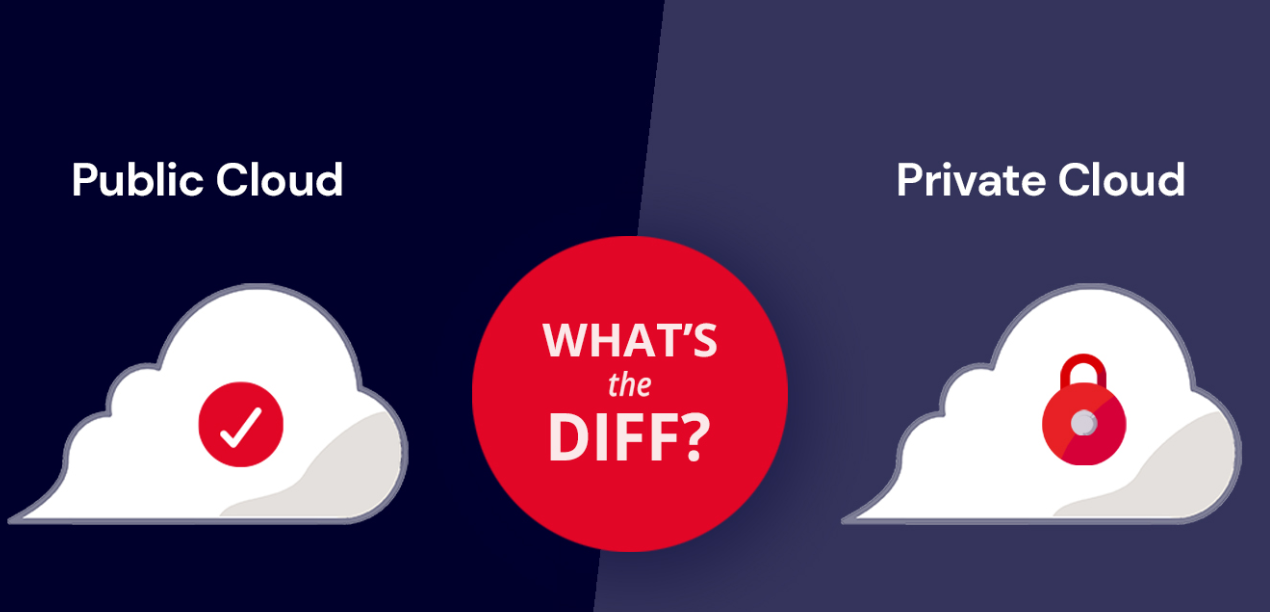

Public and private cloud each offer distinct value: public cloud accelerates experimentation and scale with lower upfront cost, while private cloud emphasizes governance, regulatory alignment, and lower latency for sensitive workloads. The choice hinges on cost, control, security, and compliance, balanced against risk tolerance and long‑term resilience. A data-driven approach, including a governance map and simple checklist, reveals where architecture aligns with objectives—and highlights where the next steps should focus. The discussion may reveal more questions than answers.
Which Cloud Model Fits Your Workloads? An At-a-Glance Decision Framework
Deciding which cloud model best fits an organization’s workloads requires a structured, data-driven approach that weighs reliability, cost, and risk. The framework compares public and private options through measurable metrics, emphasizing flexibility, scalability, and governance.
Key considerations include cloud economics and data sovereignty, guiding the evaluation toward outcomes that balance innovation with control, while preserving freedom to adapt architecture as needs evolve.
Core Trade-Offs: Cost, Control, Security, and Compliance
Public cloud and private cloud each present distinct cost structures, governance implications, and risk profiles that organizations must weigh to optimize total value.
The analysis emphasizes cost transparency and data residency, balancing upfront vs. ongoing costs, control over configurations, and security postures.
Decisions hinge on governance alignment, regulatory demands, and risk tolerance, enabling strategic freedom while mitigating exposure and compliance friction.
Real-World Scenarios: When Public Cloud Wins vs When Private Makes Sense
In real-world settings, the choice between public and private cloud hinges on concrete operating conditions, workload characteristics, and risk appetite. Data indicates Public Cloud excels for bursty, scalable workloads and rapid experimentation, while Private Cloud favors regulated, latency-sensitive, and long-running processes with stringent governance. Strategic selection aligns cost, control, and resilience, enabling prudent risk management and freedom to innovate. Public Cloud, Private Cloud.
How to Decide and Next Steps: A Simple Evaluation Checklist
For organizations weighing public versus private cloud, a disciplined evaluation framework supports objective decision-making across cost, control, performance, and risk.
A simple checklist guides comparison: quantify cloud economics, map governance and compliance requirements, assess data residency, security posture, and vendor lock-in, and align with strategic objectives.
Document trade-offs, assign ownership, and outline next steps for governance, budgeting, and phased onboarding.
Frequently Asked Questions
How Do Vendor Lock-In and Portability Affect Long-Term Flexibility?
Vendor lock-in and portability impact long-term flexibility by shaping migration costs, interoperability, and strategic options; decision-makers should quantify transition risks, preserve standard interfaces, and favor modular architectures to maximize options and minimize future constraints.
What About Data Sovereignty and Residency Requirements?
Data residency and sovereignty constraints shape strategy: organizations must map where data resides, enforce controls, and validate compliance; governance frameworks, encryption, and vendor transparency mitigate risk. They seek freedom while respecting regional regulations and cross-border data flows.
Can Mixed or Hybrid Models Outperform Pure Public/Private Setups?
Hybrid performance can surpass pure models in certain workloads, while cost predictability remains nuanced; a strategic, risk-aware approach shows hybrid deployments offer flexibility, governance, and resilience for an audience seeking freedom, though data-driven evaluation is essential.
How Do Compliance Standards Impact Cloud Choice Decisions?
A striking 72% of firms report compliance mapping challenges influence cloud vendor selection, underscoring how regulatory audits shape decisions; organizations weigh risk and freedom, favoring models that align with compliance mapping and readily auditable controls.
What Are Hidden Risks in Multi-Cloud Environments?
Hidden costs and security gaps loom in multi-cloud environments, requiring a data-driven, strategic approach. The entity assesses exposure across providers, maps interdependencies, and quantifies risk to preserve freedom while prioritizing cost control and continuous compliance.
Conclusion
In the balance of control, cost, and risk, the data favor a staged approach: favor public cloud for experimentation and bursty workloads, then migrate mission-critical, regulated functions to a private or hybrid model as governance needs tighten. An interesting stat to hook: organizations report up to 30-40% savings potential from optimized workload placement and right-sizing across cloud models. The decision should rest on a transparent framework that weighs objectives, risk tolerance, and long‑term resilience, not merely upfront price.


