
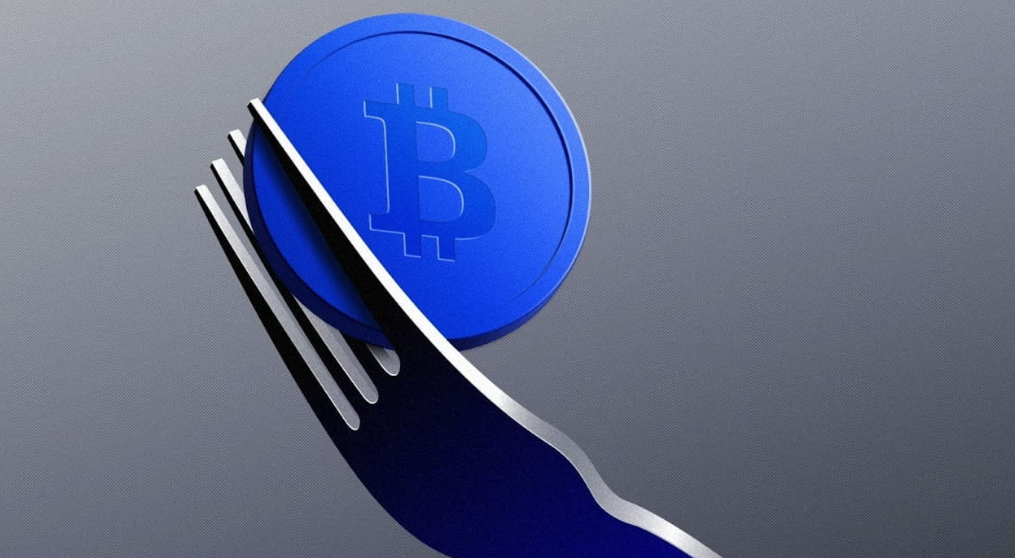

A blockchain fork occurs when the canonical ledger splits into two distinct paths. This split arises from governance choices, rule updates, or security concerns. Forks are categorized as soft, hard, or chain splits, each with different compatibility and risk profiles. Stakeholders—users, developers, exchanges—must adapt as consensus, security, and incentives shift. The outcome affects trust, governance, and future development, leaving a path forward uncertain and worth closer examination.
What Is a Blockchain Fork and Why It Happens
A blockchain fork occurs when the canonical record of a blockchain diverges into two separate paths. The split arises from competing objectives, disagreements over rules, or updates requiring social coordination.
Fork governance shapes decision-making, while consensus mechanics determine which path gains operational validity. Understanding these dynamics clarifies how communities navigate changes, align interests, and preserve system integrity amid divergent development trajectories.
The Main Types: Soft Forks, Hard Forks, and Chain Splits
There are three principal mechanisms by which blockchain histories diverge: soft forks, hard forks, and chain splits. Soft forks tighten rules, preserving compatibility with older nodes; hard forks implement incompatible changes, requiring consensus shifts; chain splits occur when communities diverge, forming parallel ledgers. These fork dynamics influence governance models, balancing centralized control with decentralized decision-making and community-driven protocol evolution. Freedom-oriented systems value transparent, participatory governance.
Who Is Affected: Users, Developers, and Exchanges
Forks affect three primary groups: users, developers, and exchanges. In blockchain governance, users experience changes to consensus rules, wallet compatibility, and transaction familiarity, influencing decision-making and participation.
Developers must adapt client software, audit code, and coordinate deployments across networks.
Exchanges adjust listing policies, liquidity, and settlement pathways, shaping market access and user experience for ongoing operations and future forks.
Risks, Benefits, and How Forks Shape Trust and Future Plans
The risks and benefits of forks hinge on how changes to consensus rules and code upgrades affect security, usability, and market dynamics, while their impact on trust depends on transparency and predictability.
Fork governance structures influence decision speed, oversight, and dispute resolution, shaping investor confidence and user adoption.
Market signaling from developers and communities guides strategic planning and future roadmap alignment.
Frequently Asked Questions
How Do Forks Impact Governance Decisions Within a Blockchain Community?
Forks influence governance by triggering policy debates and realigning economic incentives, as stakeholders weigh trade-offs between security, decentralization, and upgrade paths; divergent interests shape voting power, protocol changes, and long-term resilience within a freedom-oriented community.
Can a Fork Alter the Original Protocol’s Security Guarantees After Adoption?
A fork cannot retroactively erase prior security guarantees; it redefines the protocol through upgrades, shifting governance dynamics and mining incentives. After adoption, security assurances depend on consensus, auditability, and resilience to new attack vectors within the updated protocol.
What Role Do Miners Play in Deciding Whether to Upgrade via a Fork?
Miners decide upgrades through signaling and economic calculations, aligning with miners’ incentives and network economics; their participation shapes fork viability, as higher rewards or lower costs encourage consensus changes and deter resistant minorities in decentralized governance.
Are Forks Reversible or Reversible Only in Centralized Networks?
Fork reversibility varies: in centralized networks, reversals are more feasible, while in most decentralized blockchains reversals are effectively impossible due to consensus rules. Centralized networks enable practical reversals; long-term permanence defines fork irreversibility for most ecosystems.
How Do Forks Affect Smart Contracts and On-Chain Programmability?
A fork reshapes on-chain logic; it alters deployment, evaluation, and state lineage, affecting smart contracts and programmatic rules. Fork dynamics influence upgrade paths, potentially introducing incompatibilities and necessitating adaptable contract design and robust cross-chain tooling.
Conclusion
A blockchain fork redefines the ledger by separating consensus paths under updated rules or objectives. Soft forks tighten constraints while preserving compatibility; hard forks create divergent, incompatible ledgers; chain splits can yield parallel networks. Stakeholders—users, developers, exchanges—must adapt as governance, security, and market dynamics shift. The outcome is a trust-dependent recalibration of incentives and risk. In navigating forks, institutions should prepare for evolving governance and re-validate security postures, as changes unfold and the landscape forks anew. Time will tell.


